


AI Integration in PLCnext Engineer
Generative AI is finding its way into many software development environments. In industrial automation, however, the requirements differ significantly from those of general software development. Engineering projects include hardware configurations, device parameters, fieldbus topologies, IEC 61131-3 applications, safety-related components, and appropriate project documentation. Providing meaningful AI support therefore requires access to engineering-specific context.
To address this challenge, generative AI is being integrated directly into PLCnext Engineer. The objective is not to provide a standalone chat interface, but to enable AI-assisted interactions with engineering projects and PLCnext-specific knowledge sources.
AI as part of the engineering environment
The AI functionality is integrated directly into the PLCnext Engineer user interface. Engineers can interact with the AI Assistant without leaving the development environment.
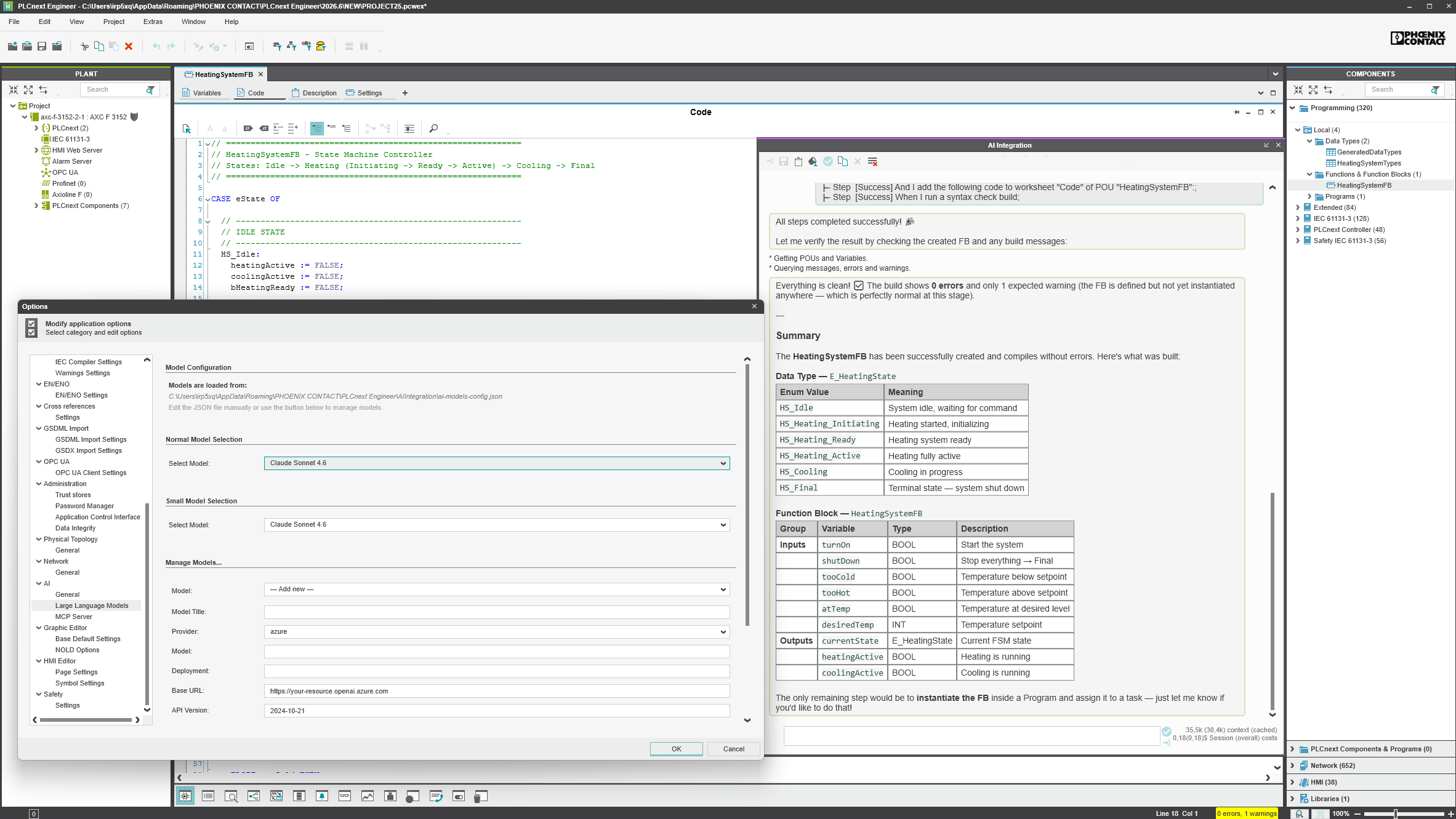
Figure 1: An engineering requirement is provided to the AI Assistant directly within PLCnext Engineer. The assistant uses project context to generate engineering artifacts.
Unlike generic AI applications, the assistant can work with project-specific information. Depending on the request, relevant context such as selected code sections, project structures, engineering artifacts, or PLCnext-related knowledge bases can be provided to the AI system.
Context-aware architecture
A central design goal of the implementation is contextualization. The integration uses an architecture based on dedicated MCP servers. These components provide access to project-related information and engineering knowledge that can be used during AI-assisted interactions.
Depending on the task, the system can combine information from:
- Project structures and engineering objects
- Selected source code
- Knowledge bases and documentation
- External Large Language Models (LLMs)
This approach enables engineering-specific responses based on the actual project context rather than on a prompt alone.
Creating engineering artifacts
One application area is the generation of new engineering structures and code from natural language descriptions.
The assistant can support the creation of:
- Data types
- Variables
- Function Blocks
- State machines
- Structured Text code according to IEC 61131-3
The generated content is presented as a suggestion and can be transferred to the project by the user after review. Further modifications remain possible.
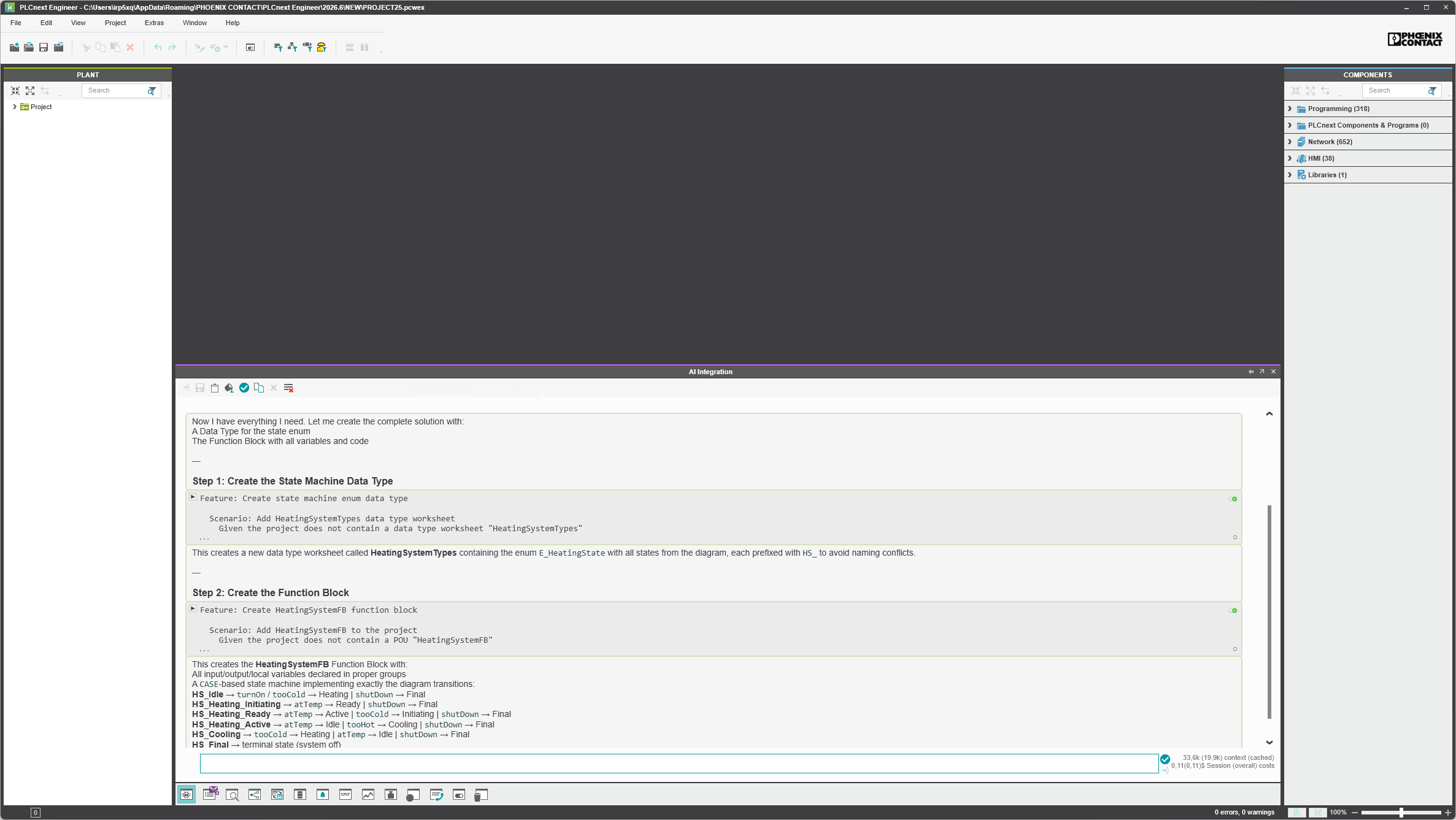
Figure 2: Generation of data types and Function Block structures from a natural language specification.
In the example shown above, the assistant creates a complete state machine implementation consisting of an enumeration data type, variable definitions, a Function Block structure, and the corresponding code.
IEC 61131-3 code analysis
Beyond the creation of new engineering artifacts, the AI Assistant can also help engineers understand, analyze, and improve existing IEC 61131-3 code.
Supported scenarios include:
- Explanation of existing code sections
- Analysis of project logic
- Identification of optimization opportunities
- Support for documentation generation
The analyzed code remains fully visible and editable within PLCnext Engineer.
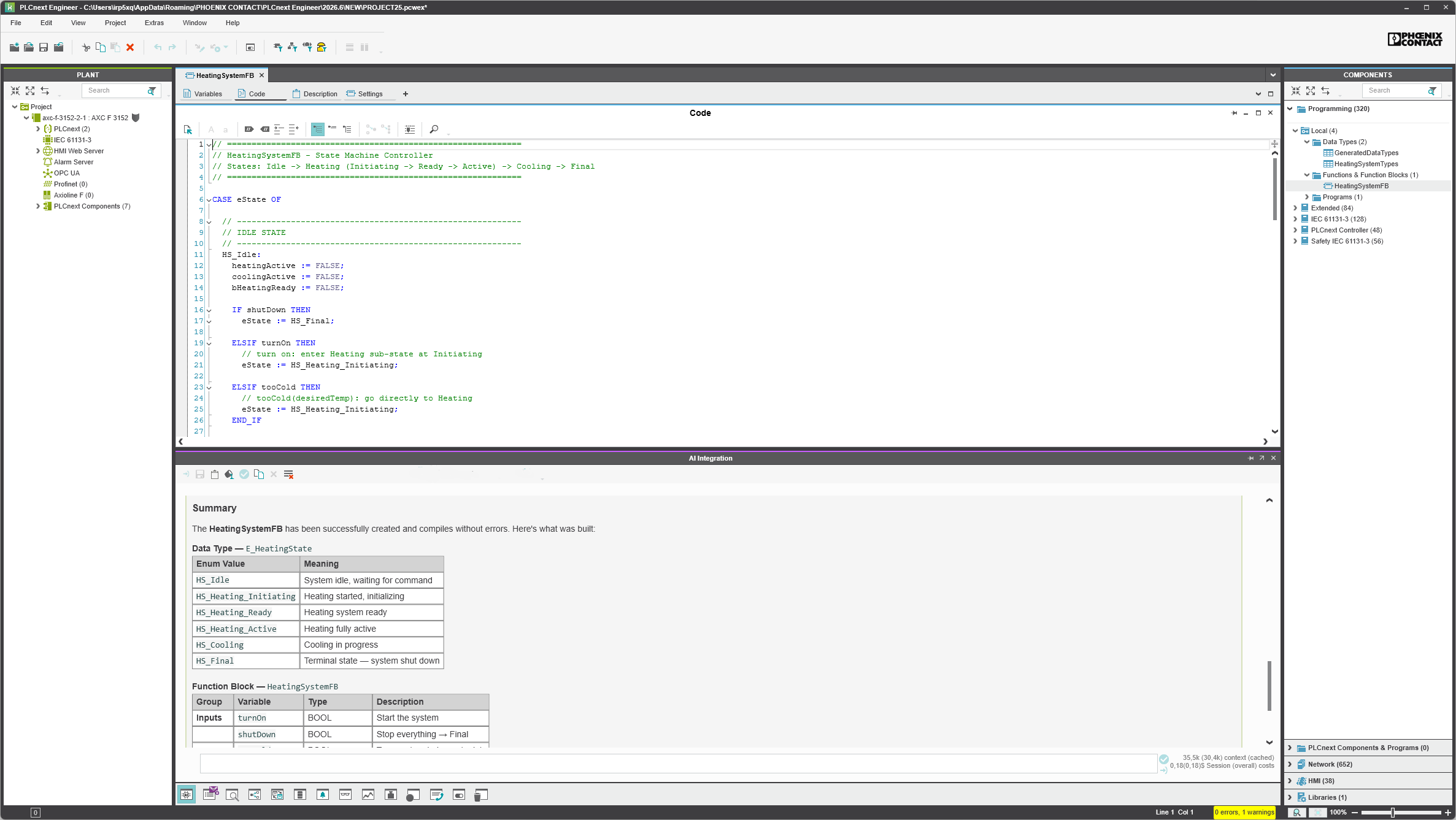
Figure 3: Generated Structured Text code integrated directly into the PLCnext Engineer editor.
The objective is not fully autonomous code generation but to accelerate development by the suggestion of code solutions, the reduction of repetitive engineering effort and faster access to domain knowledge.
Transparency and validation
Engineering systems require traceability. Therefore, generated content is presented together with a summary of the actions performed and the engineering artifacts created.
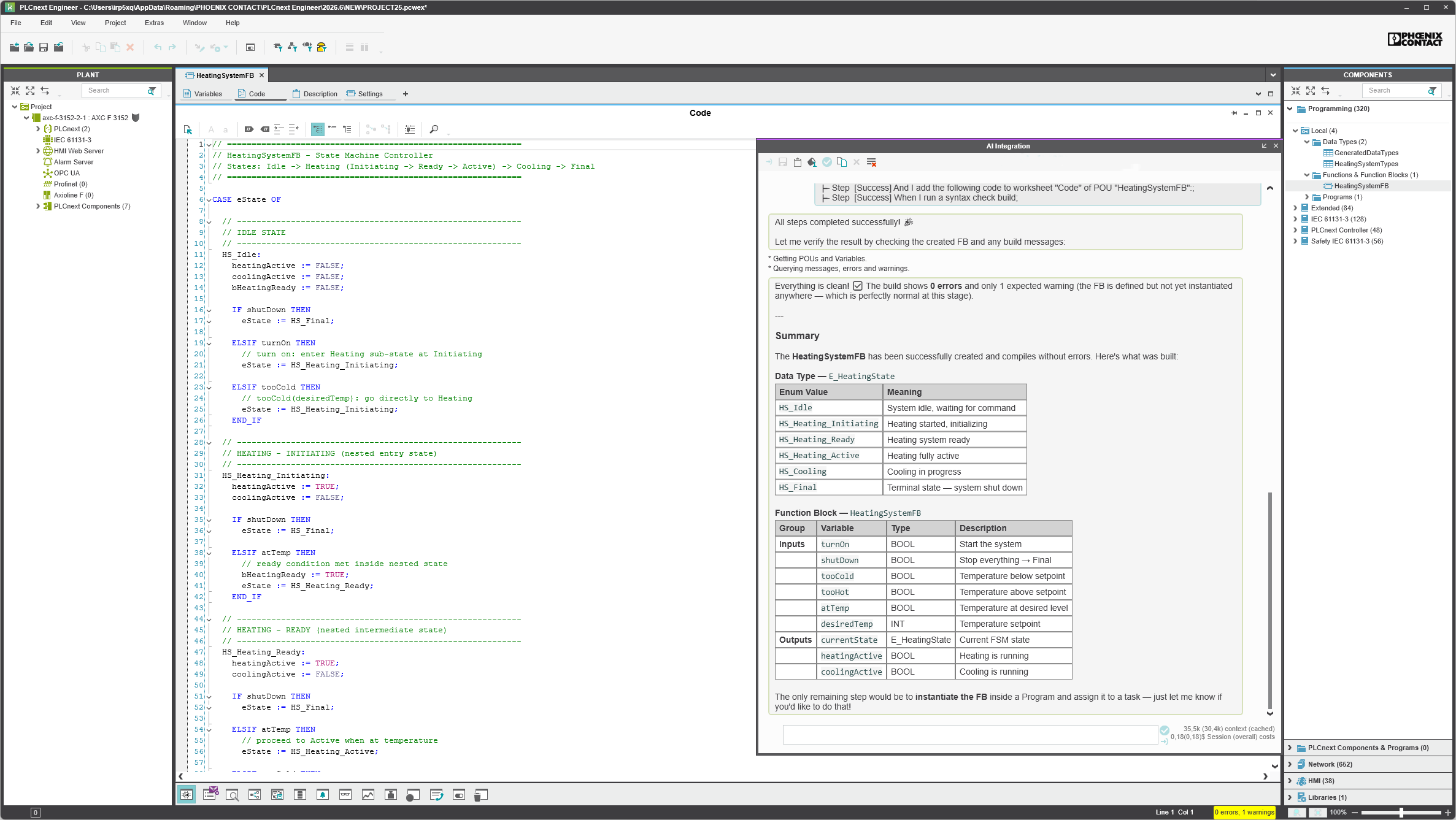
Figure 4: Overview of AI-generated project elements and engineering output after successful code generation.
The assistant documents which objects have been created and can provide feedback on compilation results and generated project elements. Suggested modifications are not applied automatically without user interaction.
Model flexibility
The architecture is designed to support different Large Language Models. Users or organizations can connect and configure the language model of their choice, allowing them to select the model they consider most suitable and trustworthy for their specific requirements.
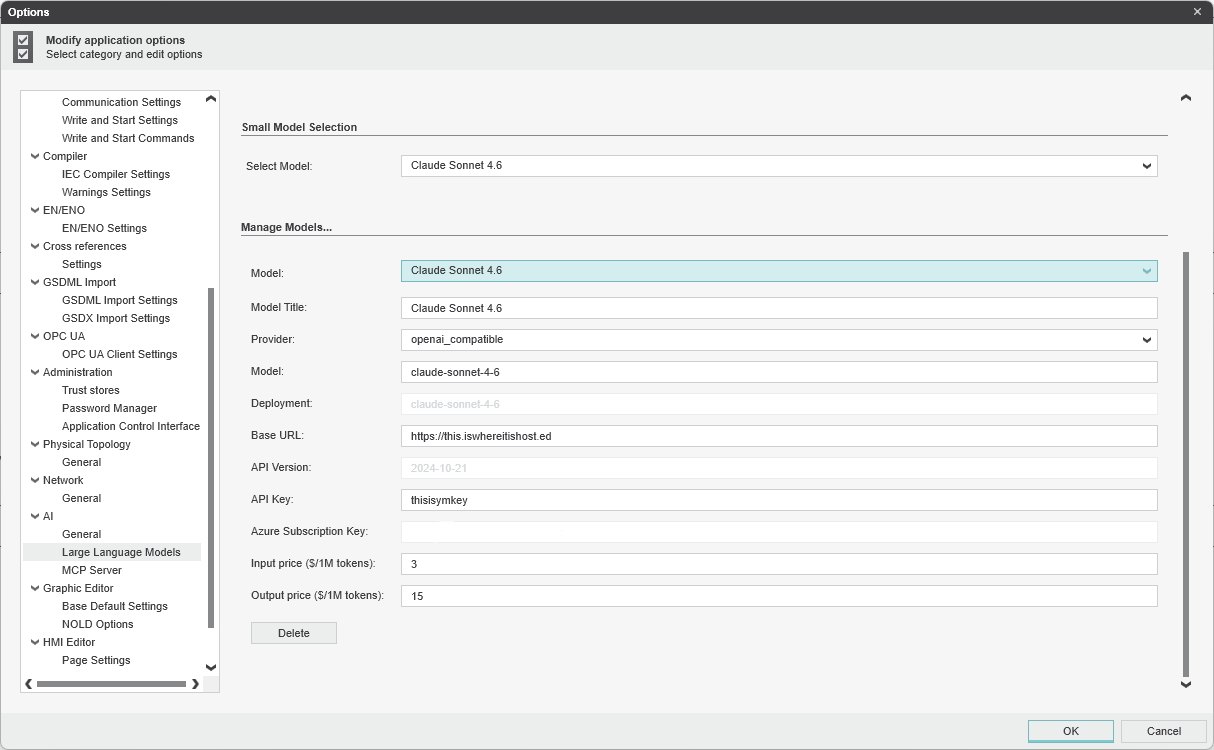
Figure 5: Configuration of the language model connection and selection of the preferred model in PLCnext Engineer.
This flexibility supports integration into existing IT, security, compliance, and governance concepts while enabling users to benefit from future advancements in LLM technology.
Current focus areas
The current implementation is primarily focused on engineering-related use cases within PLCnext Engineer. These include:
- Project understanding
- Code explanation and analysis
- IEC 61131-3 code generation
- Project manipulation
- Documentation support
- Engineering knowledge assistance
Particular emphasis is placed on PLCnext-specific expertise and engineering context rather than on general-purpose AI interactions.

